
the Truth About Maldives Seasons and Why Timing Matters More Than You Think
- U Maldives
- Jan 8
- 4 min read

Updated: Jan 9
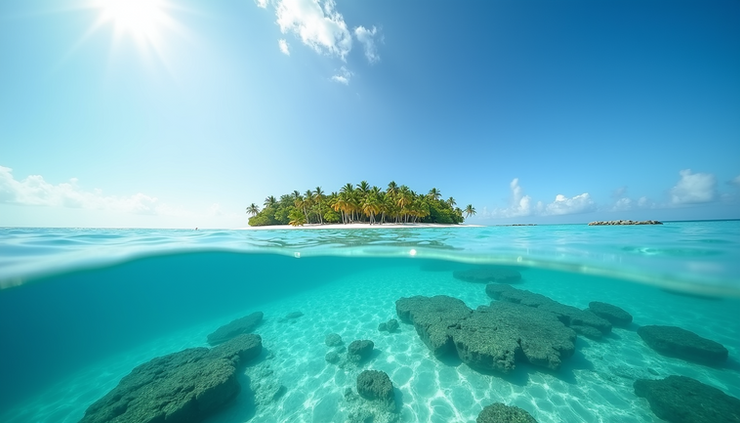
When planning a trip to the Maldives, many travelers assume the best time to visit is simply during the dry season. But the reality is more complex. The Maldives offers unique experiences throughout the year, and understanding its seasons and climate can help you choose the perfect time for your visit. This article explores the Maldives’ weather patterns, what to expect in each season, and how timing affects your holiday experience.
Understanding the Maldives Climate
The Maldives is a tropical paradise located near the equator, which means it enjoys warm temperatures year-round. Average daily temperatures hover between 26°C and 31°C (79°F to 88°F), making it an inviting destination any time. However, the Maldives has two main seasons driven by monsoon winds:
Dry Season (Northeast Monsoon): December to April
Wet Season (Southwest Monsoon): May to November
These seasons influence rainfall, humidity, and wind conditions, which in turn affect activities like diving, snorkeling, and beach relaxation.
What the Dry Season Really Means
The dry season is often promoted as the best time to visit the Maldives. It features:
Lower humidity
Minimal rainfall
Calm seas
Plenty of sunshine
From December through April, you can expect mostly clear skies and ideal conditions for water sports. This period coincides with the peak tourist season, so resorts and flights tend to be more expensive and crowded.
But the dry season is not perfect. It can get quite hot, especially from March to April, with temperatures reaching the upper 30s Celsius (mid-90s Fahrenheit). The sun is intense, so sun protection is essential. Also, the dry season’s popularity means you may encounter busy beaches and less privacy.
The Wet Season Offers Surprising Advantages
The wet season, lasting from May to November, brings more rain and wind. Showers tend to be short but heavy, often in the late afternoon or at night. Despite the rain, the wet season has several benefits:
Lower prices: Resorts and flights offer discounts, making luxury stays more affordable.
Fewer tourists: You can enjoy a more peaceful and private experience.
Lush landscapes: The islands become greener and more vibrant after rains.
Good diving conditions: Visibility underwater remains excellent, especially in June and July.
Rainfall varies across the wet season. May and June tend to be wetter, while September and October often have fewer showers. The wet season also brings stronger winds, which can create bigger waves, ideal for surfing enthusiasts.
How to Choose the Best Time Based on Your Interests
Your ideal time to visit depends on what you want from your Maldives holiday. Here are some examples:
Beach lounging and sunbathing: The dry season offers the most reliable sunshine and calm seas.
Diving and snorkeling: Both seasons provide good underwater visibility, but the wet season can bring more marine life activity.
Surfing: The wet season’s waves attract surfers from around the world.
Budget travel: The wet season offers better deals and fewer crowds.
Regional Variations Within the Maldives
The Maldives is an archipelago of over 1,000 islands spread across a vast area. Weather conditions can vary slightly between the northern and southern atolls. For example, the southern atolls may experience rain a bit earlier or later than the northern ones. This means you can sometimes find drier spots even during the wet season by choosing your island carefully.
Practical Tips for Visiting the Maldives Year-Round
Pack for the weather: Lightweight, breathable clothing works well in all seasons. Bring a rain jacket if visiting during the wet season.
Plan activities flexibly: Weather can change quickly, so have backup plans for rainy days.
Book accommodations early for the dry season: To secure the best resorts and rates, especially around holidays.
Consider travel insurance: It can protect you against unexpected weather disruptions.

Why Timing Matters More Than You Think
Choosing when to visit the Maldives affects more than just the weather. It influences your budget, the types of experiences available, and even your mood during the trip. For example, visiting during the wet season might mean a few rainy afternoons, but it also means enjoying a quieter island, lower prices, and vibrant natural surroundings.
On the other hand, the dry season guarantees sun and calm seas but comes with higher costs and more tourists. Understanding these trade-offs helps you plan a trip that matches your priorities.
Final Thoughts on Visiting the Maldives
The Maldives is a destination that offers beauty and adventure throughout the year. There is no single “best” time to visit that suits everyone. Instead, knowing the realities of the seasons and climate allows you to make an informed choice.
Whether you seek sunny days on pristine beaches, thrilling surf waves, or peaceful solitude, the Maldives can deliver. Timing your visit to match your interests and expectations will ensure your holiday is memorable for all the right reasons.
Start planning your Maldives trip with a clear view of what each season offers. This way, you can enjoy the islands exactly as you imagine.


Comments