
The Majestic Dance of Eagle Rays in Coral Reefs

The underwater world holds many wonders, but few creatures capture the imagination quite like eagle rays. Their graceful movements and striking appearance make them a favorite among divers and marine enthusiasts. These majestic animals glide through the water with an elegance that resembles flight, creating a spectacle that feels almost otherworldly. Understanding how to recognize eagle rays, learning about their habits, and knowing where to find them along coral drop-offs can deepen your appreciation for these fascinating creatures.

Recognizing Eagle Rays
Eagle rays stand out among other rays due to their unique shape and patterns. Unlike stingrays that often have rounded bodies, eagle rays have a more angular, diamond-shaped body with long, pointed pectoral fins that resemble wings. Their name comes from this wing-like appearance, which allows them to "fly" through the water.
Key features to identify eagle rays include:
Distinctive spots or patterns: Many eagle rays have white or light-colored spots on a darker background, which can vary by species.
Long tails: Their tails are often longer than their bodies and may have one or more venomous spines.
Head shape: Eagle rays have a slightly protruding head with a blunt snout, different from the flat heads of other rays.
Swimming style: They swim by flapping their pectoral fins up and down, creating a smooth, flying motion.
Spotting these features can help you distinguish eagle rays from other marine animals during a dive or snorkeling trip.
Habits and Behavior of Eagle Rays
Eagle rays are known for their active and social behavior. They often swim in groups, sometimes numbering in the dozens, especially during feeding or migration. Their diet mainly consists of mollusks, crustaceans, and small fish, which they find by digging into sandy or muddy seabeds.
Some interesting habits include:
Feeding technique: Eagle rays use their flattened teeth to crush the shells of prey like clams and snails.
Migration: They can travel long distances along coastlines and reefs, often moving to warmer waters during cooler seasons.
Breathing: Like other rays, eagle rays have spiracles behind their eyes that allow them to breathe while resting on the ocean floor.
Breeding: Females give birth to live young, usually a few pups at a time, after a gestation period of several months.
Their active lifestyle and social nature make them a dynamic part of the coral reef ecosystem.
Where to Spot Eagle Rays Along Coral Drop-Offs
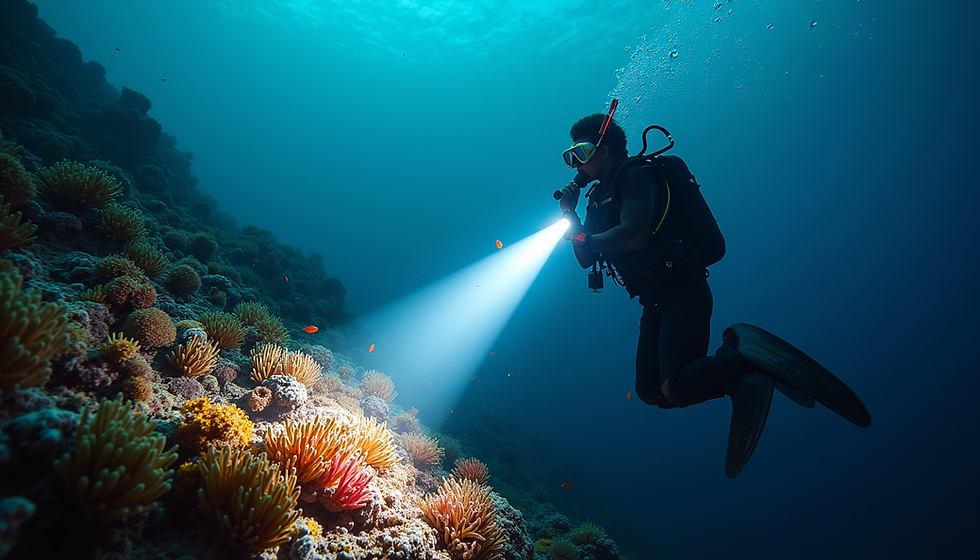
Coral drop-offs are steep underwater cliffs where the reef suddenly descends into deeper water. These areas are rich in marine life and provide excellent conditions for eagle rays to thrive. The combination of abundant food and open space makes drop-offs ideal hunting grounds.
To increase your chances of seeing eagle rays, consider these tips:
Look near sandy patches: Eagle rays often forage in sandy areas adjacent to coral formations.
Visit during daylight hours: They are most active during the day, especially in the morning and late afternoon.
Explore reef edges: The edges of drop-offs provide easy access to deeper waters where eagle rays can glide freely.
Join guided dives: Local dive operators often know the best spots and times to encounter eagle rays.
Popular locations for eagle ray sightings include the coral reefs of the Caribbean, the Maldives, and parts of the Indo-Pacific region. Each area offers unique opportunities to observe these creatures in their natural habitat.

The Role of Eagle Rays in Coral Reef Ecosystems
Eagle rays contribute to the health of coral reefs in several ways. By feeding on mollusks and crustaceans, they help control populations of species that might otherwise damage the reef. Their foraging behavior also stirs up the seabed, which can aid in nutrient cycling and support other marine life.
Understanding their ecological role highlights the importance of protecting eagle rays and their habitats. Threats such as overfishing, habitat destruction, and pollution can impact their populations and, by extension, the balance of reef ecosystems.
How to Respect and Protect Eagle Rays
If you encounter eagle rays while diving or snorkeling, it is important to observe them responsibly:
Keep a safe distance: Avoid touching or chasing them to prevent stress or injury.
Do not feed wildlife: Feeding can alter their natural behavior and diet.
Support conservation efforts: Choose eco-friendly tour operators and participate in reef cleanups.
Educate others: Share knowledge about eagle rays and the importance of marine conservation.
By following these guidelines, you help ensure that future generations can enjoy the sight of eagle rays gliding through coral reefs.


Comments