
Unveiling the Genius of the Common Octopus: Nature's Master of Intelligence and Camouflage
- U Maldives
- Feb 8
- 3 min read

The common octopus is one of the most fascinating creatures in the ocean. Known for its remarkable intelligence, problem-solving skills, and extraordinary ability to blend into its surroundings, this marine animal challenges what we think about intelligence in the animal kingdom. At UMaldives, we have witnessed firsthand how the common octopus captivates divers and researchers alike with its clever behaviors and stunning camouflage. This article explores the unique qualities that make the common octopus a true genius of the sea.

Intelligence Beyond Expectations
The common octopus stands out among marine animals for its advanced cognitive abilities. Unlike many sea creatures that rely mostly on instinct, octopuses demonstrate learning, memory, and even curiosity. Scientists have observed octopuses opening jars, navigating mazes, and using tools, which are behaviors once thought to be exclusive to mammals and birds.
One famous example involves octopuses using coconut shells as portable shelters. They collect halves of shells, carry them across the ocean floor, and assemble them as a safe hideout. This behavior shows planning and foresight, traits rarely seen in invertebrates.
Octopuses also have a complex nervous system, with about 500 million neurons distributed throughout their bodies. Interestingly, more than half of these neurons are in their arms, allowing each arm to operate somewhat independently. This decentralized nervous system helps the octopus explore its environment and manipulate objects with incredible precision.
Problem-Solving Skills in Action
Problem-solving is a key indicator of intelligence, and the common octopus excels in this area. Researchers have tested octopuses with puzzles that require them to unlock containers or navigate obstacles to reach food. Many octopuses solve these challenges quickly, adapting their strategies if their first attempt fails.
In captivity, octopuses have been known to escape from tanks by unscrewing lids or slipping through small openings. These escapes highlight their ability to understand their environment and manipulate it to their advantage.
The octopus’s problem-solving skills also extend to hunting. They use a variety of techniques to catch prey, including mimicking other animals, flushing out hidden prey by blowing jets of water, and even using rocks to crack open shells. This versatility in hunting methods shows flexibility and creativity.
Master of Camouflage
One of the most striking features of the common octopus is its ability to change color, texture, and shape to blend seamlessly into its surroundings. This camouflage helps the octopus avoid predators and sneak up on prey.
Octopuses achieve this through specialized skin cells called chromatophores, iridophores, and leucophores. Chromatophores contain pigments that expand or contract to change color rapidly. Iridophores and leucophores reflect light, adding iridescence or brightness to the skin. By controlling these cells, the octopus can mimic rocks, sand, coral, or even other animals.
Beyond color, octopuses can alter their skin texture to match rough or smooth surfaces. They can create bumps, ridges, or smooth patches, making their disguise even more convincing.
This camouflage is not just for hiding. Octopuses sometimes use it to communicate with other octopuses or to intimidate predators by displaying bold patterns.

Why the Common Octopus Matters
The intelligence and adaptability of the common octopus offer valuable insights into animal behavior and evolution. Studying these creatures helps scientists understand how complex brains and behaviors can develop in unexpected ways.
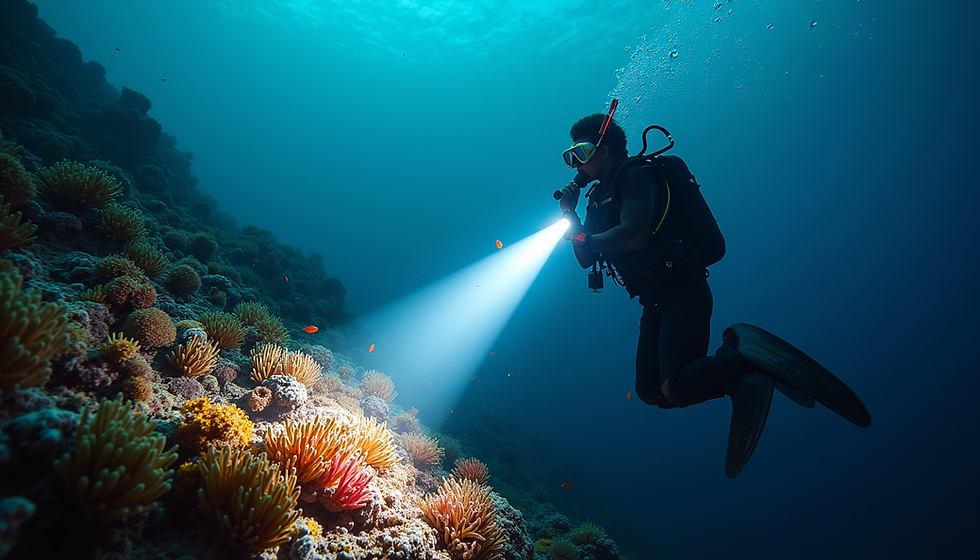
For divers and marine enthusiasts visiting places like the Maldives, encountering a common octopus is a memorable experience. Observing their problem-solving and camouflage skills in the wild reveals the hidden genius beneath the waves.
Protecting their habitats is crucial. Coral reefs and ocean floors provide the environment octopuses rely on for shelter and hunting. Human activities such as pollution and overfishing threaten these delicate ecosystems. Supporting conservation efforts helps ensure that future generations can continue to marvel at the common octopus’s remarkable abilities.


Comments