
Nature's Underwater Spas: Exploring Coral Reef Cleaning Stations and Their Unique Ecosystem

The ocean hides many wonders, but few are as fascinating as the cleaning stations found on coral reefs. These underwater spots act like spas for marine creatures, where large fish line up patiently to be groomed by tiny, specialized cleaners. This natural service plays a vital role in the health of the reef ecosystem and reveals a unique form of cooperation between species. Let’s explore how these cleaning stations work, why they matter, and what makes them a remarkable part of marine biology.

What Are Cleaning Stations?
Cleaning stations are specific locations on coral reefs where fish and other marine animals gather to have parasites and dead skin removed by smaller fish or shrimp. These stations are like underwater salons, where the clients—often large pelagic fish such as groupers, snappers, and even sharks—line up to receive cleaning services.
The cleaners are usually small fish species like cleaner wrasses or cleaner gobies, and sometimes shrimp. These cleaners feed on parasites, dead tissue, and mucus from the larger fish, providing a valuable service that benefits both parties. The larger fish get relief from harmful parasites, while the cleaners get a steady food source.
How Cleaning Stations Work
The process at a cleaning station is a fascinating example of mutualism, where both species benefit. Here’s how it typically unfolds:
Attraction: Large fish recognize cleaning stations by the presence of cleaner fish or shrimp. Some cleaners display bright colors or specific behaviors to advertise their services.
Approach and Pose: The client fish approach the station and adopt specific poses or postures to signal they want to be cleaned. These poses often include opening their mouths or gill covers to allow cleaners access.
Cleaning: The cleaner fish carefully pick off parasites, dead skin, and mucus. They may enter the client’s mouth or gill chambers, places that would be dangerous for other fish.
Trust and Safety: Both parties maintain trust. The client fish do not eat the cleaners, and the cleaners avoid harming the client. This trust is crucial for the cleaning interaction to continue.
This interaction can last from a few seconds to several minutes, depending on the size of the client and the amount of cleaning needed.
Where Are Cleaning Stations Found?
Cleaning stations are common in tropical coral reefs around the world. Some well-known locations include:
Great Barrier Reef, Australia: Home to many cleaning stations with cleaner wrasses servicing a variety of fish.
Red Sea Reefs: Known for cleaner shrimp and wrasse stations.
Caribbean Reefs: Cleaner gobies and shrimp provide cleaning services to reef fish.
Cleaning stations tend to be located in areas with good visibility and easy access for large fish. They often form near coral heads, rocky outcrops, or reef ledges where cleaners can establish territories.
The Role of Large Pelagic Fish
Large pelagic fish such as groupers, jacks, and even sharks are regular visitors to cleaning stations. These fish often travel long distances and face high parasite loads due to their size and lifestyle. Cleaning stations offer them a safe place to get rid of parasites that can cause infections or reduce swimming efficiency.
For example, the giant grouper, which can grow over 8 feet long, frequently visits cleaning stations. It will patiently wait its turn, sometimes even signaling cleaners by rubbing against coral or rocks. Sharks, despite their reputation as predators, also use cleaning stations. The harmless cleaner fish enter their mouths and gills to remove parasites, showing a remarkable level of trust.
Specialized Cleaner Species
Cleaner fish and shrimp have evolved unique adaptations to perform their role effectively:
Cleaner Wrasse: These small, brightly colored fish are among the most famous cleaners. They have specialized mouthparts to pick off parasites and often perform a “dance” to attract clients.
Cleaner Gobies: Found in the Caribbean and Indo-Pacific, these fish set up cleaning stations on coral heads and rocks.
Cleaner Shrimp: Species like the banded coral shrimp use their long antennae to signal availability and clean clients by picking parasites from hard-to-reach places.
These cleaners often have distinctive color patterns that signal their role to other fish, reducing the risk of being eaten.
Ecological Importance of Cleaning Stations
Cleaning stations contribute significantly to the health of coral reef ecosystems:
Parasite Control: By removing parasites, cleaners help reduce disease and stress in reef fish populations.
Behavioral Influence: Cleaning stations affect fish behavior and movement, as many species travel to these spots regularly.
Biodiversity Support: Healthy fish populations support the overall diversity and balance of the reef ecosystem.
Research shows that reefs with active cleaning stations tend to have healthier fish communities and better resilience to environmental stress.

Challenges Facing Cleaning Stations
Despite their importance, cleaning stations face threats from human activities and environmental changes:
Coral Reef Degradation: Pollution, climate change, and destructive fishing damage coral reefs, reducing habitat for cleaners and clients.
Overfishing: Removing large predatory fish disrupts the cleaning station dynamics and reduces the number of clients.
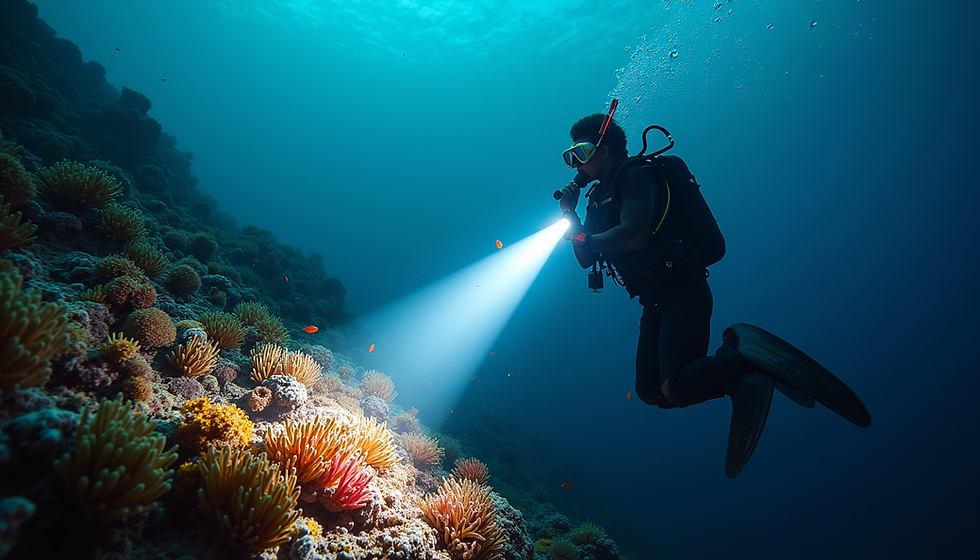
Tourism Impact: Unregulated diving and snorkeling can disturb cleaning stations, causing fish to avoid these areas.
Protecting coral reefs and promoting sustainable practices are essential to preserve these unique underwater spas.
How You Can Help Protect Cleaning Stations
Supporting coral reef conservation helps maintain cleaning stations and their ecosystems. Here are some practical steps:
Choose eco-friendly tourism operators who respect reef habitats.
Avoid touching or disturbing marine life while diving or snorkeling.
Support organizations working on coral reef protection and restoration.
Reduce your carbon footprint to help combat climate change impacts on oceans.
By understanding and valuing these natural cleaning services, we can contribute to healthier oceans.


Comments