
Identifying Genuine Eco-Friendly Resorts Amidst Greenwashing Tactics

Choosing a resort that truly respects the environment can be challenging. Many places claim to be eco-friendly, but some only use green labels to attract conscious tourists without making real changes. This post helps you spot resorts that genuinely care for nature, focusing on key areas like water management, plastic use, and marine protection.

Understanding Greenwashing in Tourism
Greenwashing happens when businesses present themselves as environmentally responsible without meaningful actions. Resorts might advertise “eco-friendly” practices but still harm the environment through hidden or minimal efforts. This can mislead travelers who want to support sustainability.
Look for vague claims like “we care about the planet” without details or certifications. True eco-resorts provide transparent information about their policies and results.
Key Signs of Authentic Environmental Commitment
Water Management and Desalination
Water scarcity is a global issue, especially in popular tourist destinations. Resorts that invest in desalination plants or water recycling systems show a real commitment to reducing freshwater use. Desalination converts seawater into drinking water, easing pressure on local supplies.
Ask if the resort:
Uses desalination or water recycling technologies
Monitors water consumption and shares data
Implements water-saving fixtures and landscaping
For example, the Six Senses Laamu in the Maldives operates a desalination plant and uses rainwater harvesting, reducing its impact on local freshwater sources.
Plastic-Free Policies
Plastic pollution is a major threat to oceans and wildlife. Resorts that eliminate single-use plastics and offer alternatives demonstrate genuine care. Look for:
Refillable water stations instead of bottled water
Biodegradable or reusable packaging for toiletries
Plastic-free dining options and waste sorting
The Whitepod Eco-Luxury Hotel in Switzerland has banned single-use plastics and encourages guests to bring reusable items, setting a strong example.
Marine Protection Efforts
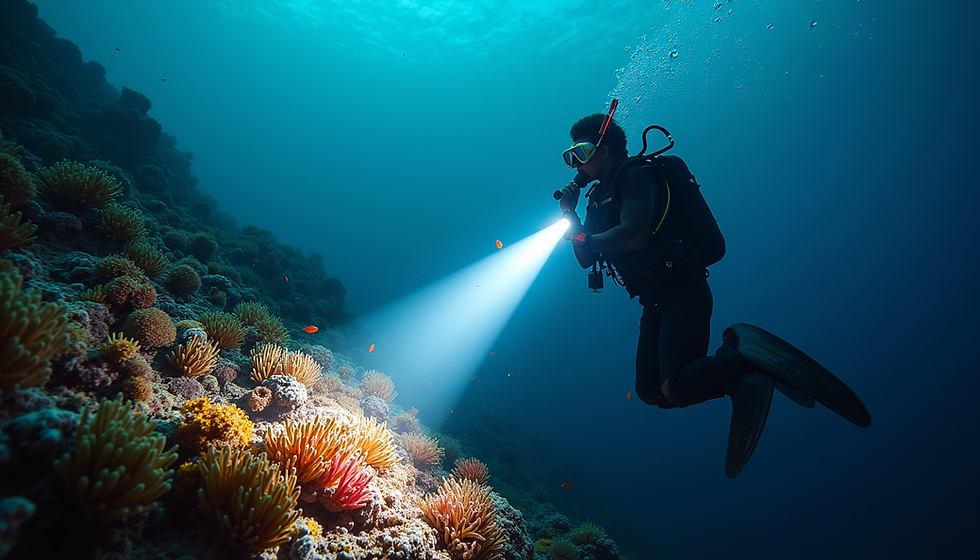
Coastal resorts have a responsibility to protect marine ecosystems. Genuine eco-friendly resorts engage in:
Coral reef restoration projects
Responsible snorkeling and diving guidelines
Partnerships with marine conservation organizations
For instance, the Four Seasons Resort Bora Bora supports coral nurseries and educates guests on preserving marine life.

Certifications and Transparency
Look for recognized eco-certifications such as:
Green Globe
EarthCheck
LEED (Leadership in Energy and Environmental Design)
These certifications require resorts to meet strict environmental standards and undergo regular audits.
Transparency is also key. Resorts should openly share their sustainability reports, goals, and challenges. This honesty builds trust and shows they are serious about improvement.
Practical Tips for Travelers
Research before booking: Check reviews, certifications, and sustainability reports.
Ask questions: Contact the resort to inquire about their environmental policies.
Observe during your stay: Notice waste management, energy use, and water conservation.
Support local communities: Choose resorts that work with local suppliers and respect cultural heritage.
Avoiding Common Greenwashing Traps
Beware of:
Overuse of vague terms like “green” or “natural” without proof
Excessive focus on marketing images rather than facts
Lack of third-party verification or certifications
Minimal or cosmetic changes that don’t address major impacts


Comments