
Exploring the Colors of Coral and the Vital Role of Reef Ecosystems in Responsible Snorkeling

The Maldives is famous for its crystal-clear waters and stunning coral reefs. These reefs are not just beautiful underwater gardens; they are living ecosystems that support a vast array of marine life. Understanding the delicate relationship between coral polyps and algae reveals why these reefs are so colorful and why they need our protection. For travelers who enjoy snorkeling, learning about this symbiosis is key to preserving the reefs for future generations.

The Foundation of Reef Life: Coral Polyps and Algae
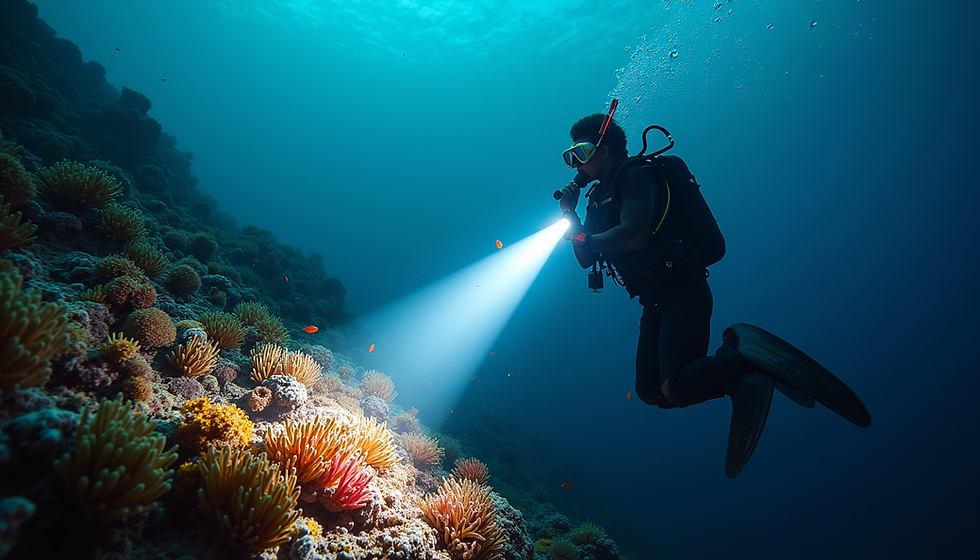
Coral reefs begin with tiny animals called polyps. These small creatures build hard skeletons from calcium carbonate, which form the structure of the reef. What makes coral reefs so colorful is their partnership with microscopic algae called zooxanthellae. These algae live inside the coral polyps’ tissues and perform photosynthesis, turning sunlight into energy.
This energy feeds the coral polyps, helping them grow and build the reef. In return, the coral provides the algae with a safe home and access to sunlight. This relationship is a perfect example of symbiosis, where both organisms benefit and depend on each other to survive.
The colors of coral come from the pigments in the algae and the coral itself. When the algae are healthy, the coral appears bright and vibrant. If the algae leave or die, the coral loses its color and becomes white, a condition known as coral bleaching. Bleached coral is weak and vulnerable, and if the stress continues, it can die.
Why Coral Reefs Matter Beyond Their Beauty
Coral reefs are more than just colorful underwater landscapes. They provide essential benefits to the environment and people:
Biodiversity hotspots: Reefs support about 25% of all marine species, including fish, crustaceans, and mollusks.
Coastal protection: Reefs act as natural barriers, reducing wave energy and protecting shorelines from erosion and storms.
Livelihoods and food: Millions of people depend on reefs for fishing and tourism income.
Medical research: Coral reef organisms are sources of new medicines, including treatments for cancer and infections.
The Maldives’ reefs are especially important because they support local communities and attract tourists from around the world. Protecting these reefs means preserving a way of life and a natural treasure.
How Snorkeling Can Impact Coral Reefs
Snorkeling offers a unique chance to explore coral reefs up close. However, without care, snorkeling can harm these fragile ecosystems. Common threats caused by snorkelers include:
Physical damage: Touching, standing on, or kicking coral can break or stress the polyps.
Chemical pollution: Sunscreens with harmful chemicals can poison coral and algae.
Sediment disturbance: Stirring up sand clouds the water and blocks sunlight needed by algae.
Even small actions can have big effects because coral reefs grow slowly and recover from damage over many years. Responsible snorkeling helps keep reefs healthy and colorful.
Tips for Responsible Snorkeling in the Maldives
Travelers can enjoy snorkeling while protecting the reefs by following simple guidelines:
Keep a safe distance: Avoid touching or standing on coral. Use fins carefully to prevent accidental contact.
Choose reef-safe sunscreen: Look for sunscreens labeled as safe for coral reefs, free from oxybenzone and octinoxate.
Avoid stirring up sediment: Swim calmly and avoid kicking up sand near the reef.
Do not collect coral or marine life: Leave everything as you find it to maintain the ecosystem’s balance.
Follow local rules and guidance: Respect protected areas and listen to guides who know the reef well.
By following these practices, snorkelers help maintain the reef’s health and ensure others can enjoy its beauty.

The Future of Coral Reefs Depends on Us
Coral reefs face many threats beyond snorkeling, including climate change, pollution, and overfishing. Rising ocean temperatures cause widespread coral bleaching, while pollution and sediment runoff reduce water quality. Protecting reefs requires global and local efforts.
Travelers have a role in this effort. By choosing eco-friendly tours, supporting reef conservation projects, and practicing responsible snorkeling, visitors contribute to reef preservation. Education is also vital. Understanding the reef’s delicate balance encourages respect and care.
The Maldives’ reefs are a living example of nature’s complexity and beauty. Their colors tell a story of cooperation between tiny polyps and algae, a story that depends on human choices. When we snorkel responsibly, we become part of that story, helping to keep the reef alive and vibrant.


Comments