
Discover the Secrets of Hawksbill Turtles in the Maldives and Why They Matter for Our Reefs
- U Maldives
- Feb 17
- 4 min read

The Maldives is famous for its crystal-clear waters, vibrant coral reefs, and diverse marine life. Among the many creatures that call these reefs home, the hawksbill turtle stands out as a fascinating and vital species. If you have ever encountered a hawksbill turtle while snorkeling or diving in the Maldives, you might have wondered why this turtle is here and what role it plays in the underwater ecosystem. The truth is, the hawksbill turtle is never in the Maldives by chance. Its presence is deeply connected to the health of the reefs and the balance of marine life.
This article explores the feeding habits of hawksbill turtles, their dependence on coral reefs, and why their conservation is crucial for the Maldives’ marine environment. Understanding these aspects helps us appreciate these ancient mariners and highlights the importance of protecting them for future generations.

Hawksbill turtles rely on coral reefs for food and shelter, making them key players in reef ecosystems.
Hawksbill Turtles and Their Unique Feeding Habits
Hawksbill turtles (Eretmochelys imbricata) are easily recognizable by their pointed beaks and beautifully patterned shells. Unlike other sea turtles that mainly eat seagrass or jellyfish, hawksbills have a specialized diet focused on sponges and other invertebrates found on coral reefs.
Sponges as primary food: Hawksbills consume a variety of sponges, many of which are toxic or unpalatable to other marine animals. Their strong jaws and sharp beaks allow them to scrape sponges off the coral surfaces.
Selective feeding: They prefer certain sponge species that help maintain coral health by controlling sponge overgrowth. This selective feeding prevents sponges from smothering corals, which compete for space on the reef.
Additional diet items: Besides sponges, hawksbills also eat sea anemones, jellyfish, algae, and occasionally small invertebrates like shrimp or crabs.
Their feeding behavior plays a vital role in the reef ecosystem. By controlling sponge populations, hawksbill turtles help maintain the balance between coral and sponge communities, which supports reef resilience and biodiversity.
Why Hawksbill Turtles Depend on Coral Reefs
Coral reefs provide hawksbill turtles with more than just food. These complex underwater structures offer shelter, breeding grounds, and resting spots.
Shelter and protection: The nooks and crannies of coral reefs offer hiding places from predators such as sharks. Juvenile hawksbills especially rely on reefs for safety during their vulnerable early years.
Nesting sites nearby: Hawksbill turtles often nest on sandy beaches close to coral reefs. The proximity allows hatchlings to quickly reach the reef, where they find food and shelter.
Resting areas: Hawksbills use reef caves and ledges to rest between feeding sessions. This behavior conserves energy and helps them avoid predators.
The health of coral reefs directly affects hawksbill populations. When reefs degrade due to bleaching, pollution, or destructive fishing, hawksbills lose their habitat and food sources. This connection means protecting reefs is essential for the survival of these turtles.

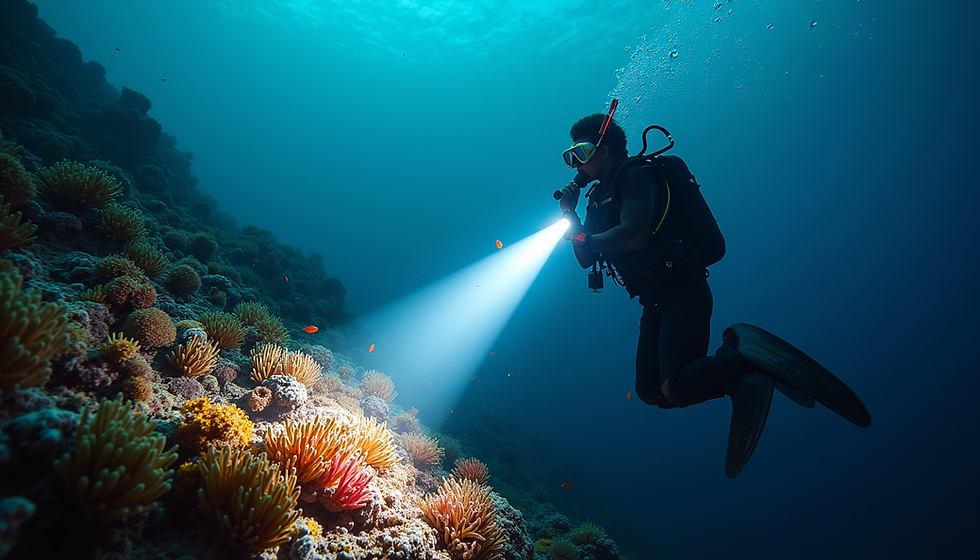
Hawksbill turtles use coral reef caves for resting and protection from predators.
The Importance of Hawksbill Turtle Conservation in the Maldives
Hawksbill turtles face many threats worldwide, and the Maldives is no exception. Their slow reproduction rate and dependence on fragile coral reefs make them vulnerable to environmental changes and human activities.
Threats to hawksbills:
- Illegal poaching for their shells, which are highly valued in the jewelry trade.
- Loss of nesting beaches due to coastal development and erosion.
- Pollution, including plastic debris that turtles can ingest or get entangled in.
- Climate change causing coral bleaching and reef degradation.
- Bycatch in fishing gear such as nets and longlines.
Conserving hawksbill turtles benefits the entire marine ecosystem. Healthy turtle populations help maintain coral reef balance, which supports fish species important for local fisheries and tourism.
Conservation Efforts in the Maldives
The Maldives has taken steps to protect hawksbill turtles and their habitats:
Protected areas: Several marine protected areas include important hawksbill habitats, restricting harmful activities.
Nesting beach monitoring: Conservation groups monitor nesting sites to protect eggs and hatchlings from predators and human disturbance.
Community involvement: Local communities participate in awareness programs and turtle-friendly tourism practices.
Research and tracking: Scientists tag and track turtles to understand their migration patterns and habitat use, informing better protection strategies.
Tourists and divers can also contribute by following responsible wildlife viewing guidelines, avoiding touching or disturbing turtles, and supporting eco-friendly operators.
How Hawksbill Turtles Reflect Reef Health
Because hawksbill turtles depend on coral reefs for food and shelter, their presence and behavior can indicate the condition of reef ecosystems.
Abundance and diversity: A healthy reef supports a stable hawksbill population. Declines in turtle numbers often signal reef stress or degradation.
Feeding patterns: Changes in what hawksbills eat may reflect shifts in sponge communities caused by environmental changes.
Nesting success: The number of hatchlings reaching the ocean depends on beach quality and nearby reef health.
Monitoring hawksbill turtles offers valuable insights into the broader marine environment. Protecting these turtles helps safeguard the reefs that millions of people rely on for food, income, and coastal protection.


Comments