
Discover the Fascinating Nesting Behavior of Triggerfish and What Divers Should Know
- U Maldives
- Jan 13
- 3 min read

Triggerfish are small but powerful residents of coral reefs, known for their bold and territorial nature. At UMaldives, we often encounter these intriguing fish during dives, and their nesting behavior stands out as one of the most fascinating aspects of their life cycle. Understanding how triggerfish protect their nests and interact with divers can enhance your underwater experience and help you respect their space.

How Triggerfish Choose and Prepare Their Nesting Sites
Triggerfish select nesting sites carefully, usually in shallow sandy areas near coral reefs. The male triggerfish takes the lead in preparing the nest by clearing a circular patch of sand. This clearing process involves vigorous fin movements and body rubbing to remove debris and create a smooth surface. The nest is typically about 1 meter in diameter, providing enough space for the eggs and later the hatchlings.
This preparation is crucial because the nest must protect the eggs from predators and strong currents. The sandy nest blends well with the surroundings, making it less visible to potential threats. The male’s effort in nest building reflects his commitment to the survival of his offspring.
The Role of Males and Females During Nesting
Once the nest is ready, the female lays her eggs in the cleared area. The male then fertilizes the eggs externally. After fertilization, the male takes on the primary role of guarding the nest. He stays close to the site, aggressively defending it against intruders, including other fish and sometimes even divers.
The female usually leaves after laying the eggs, while the male remains vigilant for several days until the eggs hatch. This behavior highlights the male’s territorial instincts and his dedication to protecting the next generation.
Triggerfish Nesting Season and Environmental Factors
Triggerfish nesting typically occurs during warmer months when water temperatures rise. In the Maldives, this period often coincides with the calm seas of the dry season, providing ideal conditions for egg development. The timing ensures that hatchlings emerge when food is abundant, increasing their chances of survival.
Environmental factors such as water clarity, temperature, and reef health influence nesting success. Healthy coral reefs provide shelter and food sources for both adult triggerfish and their young, making reef conservation vital for maintaining triggerfish populations.
How Triggerfish Interact with Divers During Nesting
Divers often find triggerfish encounters exciting but should approach with caution, especially during nesting season. Male triggerfish become highly territorial and may display aggressive behaviors to protect their nests. These behaviors include:
Charging at divers
Biting or nipping fins and equipment
Making loud clicking sounds as warnings
Understanding these signals helps divers avoid escalating conflicts. If a triggerfish shows signs of aggression, it’s best to slowly back away and give the fish space. Avoid touching or disturbing the sandy nest area, as this can provoke defensive actions.
Tips for Divers to Respect Triggerfish Territory
Respecting triggerfish territory ensures a safe and enjoyable dive for both humans and fish. Here are practical tips for divers:
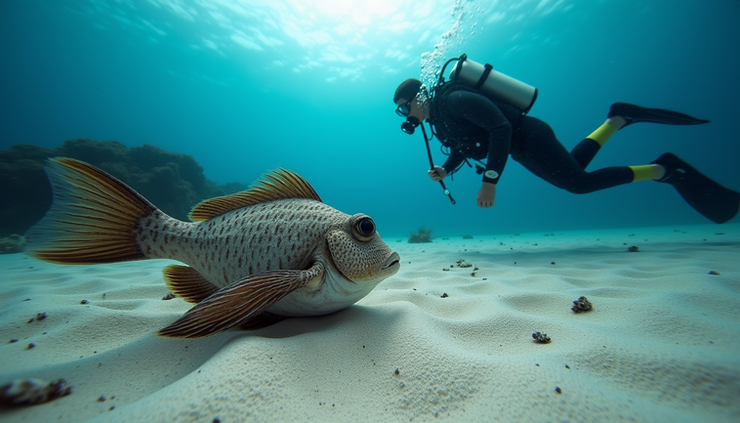
Observe from a distance of at least 2 meters
Avoid sudden movements near the nest
Do not touch or disturb the sand around the nest
Use calm, slow swimming motions to avoid startling the fish
Pay attention to warning signs like rapid fin movements or charges
By following these guidelines, divers can witness triggerfish behavior without causing stress or harm.
Why Triggerfish Behavior Matters for Reef Ecosystems
Triggerfish play an important role in reef ecosystems. Their nesting behavior contributes to the health of the reef by:
Controlling populations of sea urchins and other invertebrates that can damage coral
Helping maintain the balance of reef species through their territorial actions
Supporting biodiversity by ensuring the survival of their offspring
Understanding and respecting triggerfish nesting habits helps protect these valuable fish and the reefs they inhabit.



Comments