
Discover the Amazing Coral Polyp and Its Vital Role in Protecting Maldives Reefs
- U Maldives
- Jan 10
- 4 min read

The Maldives is famous for its stunning coral reefs, which attract visitors from around the world. But few realize that these vast underwater structures depend on tiny creatures called coral polyps. These small animals build and maintain the reefs, creating habitats that support marine life and protect the islands. Understanding the coral polyp reveals why coral reefs are essential to the Maldives ecosystem and why protecting them matters.

What Is a Coral Polyp?
Coral polyps are tiny, soft-bodied animals related to jellyfish and sea anemones. Each polyp is only a few millimeters wide but plays a huge role in reef building. They live in colonies, where thousands or even millions of polyps connect and grow together. Each polyp has a sac-like body with a mouth surrounded by tentacles. These tentacles capture plankton and tiny particles from the water for food.
Polyps secrete calcium carbonate, a hard substance that forms the coral skeleton. Over time, the skeletons of many polyps build up to create the solid structure of coral reefs. This process can take decades or centuries, but it results in the complex, colorful reefs that are home to countless marine species.
How Coral Polyps Build Reefs
The reef-building process starts when coral larvae settle on a hard surface, such as a rock or old coral skeleton. The larvae develop into polyps and begin to secrete calcium carbonate. As polyps reproduce asexually, the colony grows larger, adding layers to the reef.
The calcium carbonate skeleton protects the polyps and provides a stable base for new polyps to attach. This continuous growth creates the massive reef structures seen in the Maldives. The reefs grow slowly but steadily, sometimes extending several meters per year under ideal conditions.
Why Coral Reefs Are Vital to the Maldives Ecosystem
The Maldives consists of over 1,000 small islands, many of which depend on coral reefs for their survival. Reefs provide several critical benefits:
Coastal Protection
Coral reefs act as natural barriers against waves, storms, and erosion. They reduce the impact of strong ocean currents and protect shorelines from damage. This protection is crucial for the low-lying islands of the Maldives, which face threats from rising sea levels and extreme weather.
Biodiversity Hotspots
Reefs support a vast variety of marine life, including fish, crustaceans, mollusks, and sea turtles. Many species rely on the reef for food, shelter, and breeding grounds. This biodiversity supports local fishing communities and maintains the health of the ocean ecosystem.
Economic Importance
Tourism in the Maldives heavily depends on coral reefs. Snorkeling, diving, and fishing attract visitors who contribute to the local economy. Healthy reefs ensure sustainable tourism and livelihoods for island residents.
Carbon Storage
Coral reefs help regulate carbon dioxide levels in the ocean. The calcium carbonate skeletons store carbon, playing a small but important role in the global carbon cycle.
The Symbiotic Relationship Between Coral Polyps and Algae
Coral polyps have a unique partnership with tiny algae called zooxanthellae. These algae live inside the polyp’s tissues and perform photosynthesis, converting sunlight into energy. The algae provide nutrients to the polyps, helping them grow and build reefs faster.
In return, the polyps offer the algae a protected environment and access to sunlight. This relationship gives coral reefs their bright colors and supports their energy needs. When stressed by heat or pollution, polyps may expel the algae, causing coral bleaching and threatening reef survival.
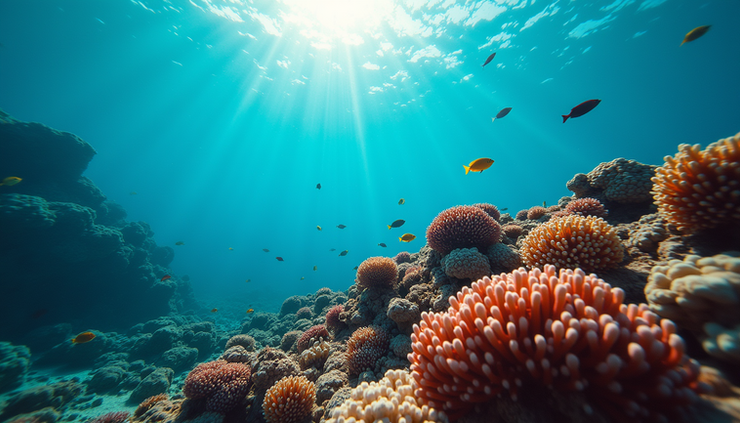
Threats to Coral Polyps and Reefs in the Maldives
Despite their importance, coral reefs face many dangers:
Climate Change
Rising ocean temperatures cause coral bleaching, weakening polyps and making reefs vulnerable to disease. Ocean acidification reduces the ability of polyps to build calcium carbonate skeletons.
Pollution
Runoff from land, including chemicals and plastics, harms coral health. Sedimentation can smother reefs and block sunlight needed by algae.
Overfishing
Removing key fish species disrupts the reef ecosystem balance, affecting coral growth and resilience.
Physical Damage
Boat anchors, careless tourism, and coastal development can physically break coral structures.
How the Maldives Protects Its Coral Reefs
The Maldives government and local communities recognize the value of coral reefs and have taken steps to protect them:
Establishing marine protected areas where fishing and damaging activities are restricted.
Promoting sustainable tourism practices that minimize reef impact.
Supporting coral restoration projects that grow and transplant healthy coral fragments.
Raising awareness about reef conservation among locals and visitors.
These efforts help maintain the health of coral polyps and the reefs they build, securing the future of the Maldives’ marine environment.
What You Can Do to Help Protect Coral Reefs
Visitors and residents can contribute to reef protection by:
Avoiding touching or stepping on coral while snorkeling or diving.
Using reef-safe sunscreen that does not contain harmful chemicals.
Supporting eco-friendly tour operators and local conservation initiatives.
Reducing plastic use and properly disposing of waste to prevent ocean pollution.
Every small action helps preserve the delicate balance that coral polyps maintain in the Maldives reefs.


Comments